

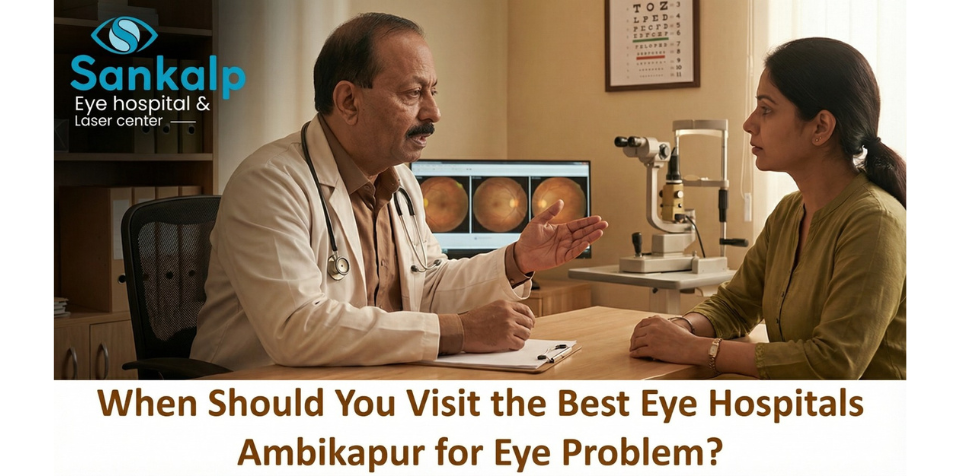
Most people don’t rush to an eye hospital at the first sign of trouble.
A little blur here. Occasional headaches there. Difficulty reading small text at night. These things often get brushed aside with a quiet thought: “It’s probably nothing.” Life stays busy, priorities pile up, and eye health quietly slips down the list.
But eyes rarely complain loudly. They give subtle signals—signals that are easy to ignore until they begin affecting daily life.
Knowing when to visit the best eye hospitals in Ambikapur isn’t about reacting to emergencies alone. It’s about recognizing early signs, preventing long-term damage, and protecting one of the most important senses we rely on every single day.This guide explains when eye problems deserve medical attention, how the right care makes a difference, and why timely eye treatment in Ambikapur can change outcomes dramatically.
Why Eye Problems Are Often Detected Late
Unlike pain in other parts of the body, eye issues often progress quietly.
Vision adapts. The brain compensates. One eye may start doing more work while the other weakens. Gradual changes feel normal—until suddenly, they’re not.
Common reasons people delay visiting an eye hospital include:
- Assuming vision changes are due to age
- Relying on old glasses longer than advised
- Fear of surgery or diagnosis
- Belief that eye problems are not urgent
This delay is one of the main reasons eye doctors emphasize routine eye checkups, not just emergency visits.
Early Signs That Shouldn’t Be Ignored
You don’t need severe pain or sudden vision loss to seek help. Many eye conditions start with mild symptoms.
Consider visiting one of the best eye hospitals in Ambikapur if you notice:
- Blurry or fluctuating vision
- Frequent headaches after screen use
- Difficulty seeing at night
- Increased glare from lights
- Eye strain or fatigue
- Redness or irritation that doesn’t settle
These signs often point toward correctable issues—if addressed early.
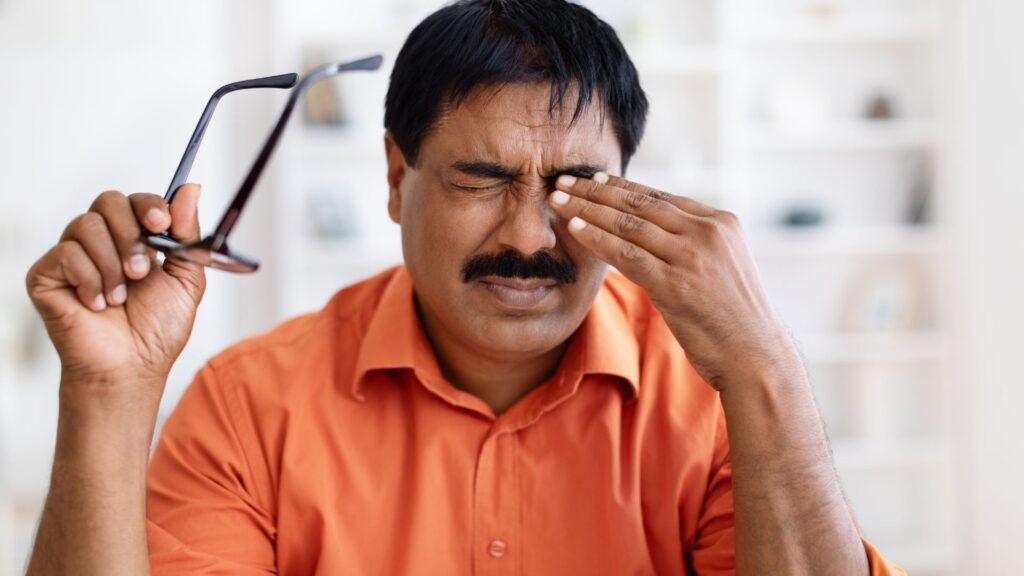
When Vision Changes Affect Daily Life
One of the clearest indicators that it’s time to seek medical help is when vision interferes with routine activities.
This includes:
- Trouble reading road signs
- Difficulty working on a computer
- Hesitation while driving at night
- Needing brighter light for simple tasks
At this stage, consulting the best eye doctor in Ambikapur helps identify whether the issue is refractive, age-related, or something more serious.
Children and Eye Health: When to Be Alert
Children don’t always express vision problems clearly. Often, signs appear as behavioral changes.
Parents should consider an eye check if a child:
- Sits very close to screens
- Complains of headaches
- Avoids reading or writing
- Squints frequently
- Has trouble in school
Early eye treatment in Ambikapur can prevent learning difficulties and long-term visual impairment.
Adults and Screen-Related Eye Issues
Digital screens are now a part of everyday life. Prolonged exposure can lead to:
- Dry eyes
- Blurred vision
- Headaches
- Eye fatigue
These symptoms are often dismissed as “normal,” but persistent discomfort signals the need for evaluation. A structured eye exam at one of the best eye hospitals in Ambikapur helps identify dry eye syndrome, refractive issues, or posture-related strain.
Age-Related Eye Conditions: Timing Matters
As we age, certain eye conditions become more common:
- Cataract
- Glaucoma
- Macular degeneration
These conditions often progress slowly and painlessly. Regular checkups help detect them before vision loss becomes irreversible.
Eye doctors stress that early diagnosis—not late intervention—preserves vision.
Sudden Symptoms That Need Immediate Attention
Some eye symptoms should never be delayed.
Seek urgent care if you experience:
- Sudden vision loss
- Severe eye pain
- Flashes of light or floaters
- Injury or chemical exposure
- Sudden redness with vision changes
These situations require immediate evaluation at a well-equipped eye hospital.
Eye Infections and Allergies: When Home Remedies Aren’t Enough
Mild irritation may settle on its own, but persistent redness, discharge, or swelling needs medical care.
Untreated infections can spread or worsen, especially in children and elderly patients. Visiting the best eye doctor in Ambikapur ensures proper diagnosis and safe treatment—without guesswork.
Refractive Errors: Glasses Aren’t the Only Option
Near-sightedness, far-sightedness, and astigmatism are common. While glasses and contact lenses help, they aren’t the only solutions.
If dependency on lenses feels limiting, consulting a specialist about advanced options becomes relevant. This is why people often search for eye treatment in Ambikapur that goes beyond basic vision correction.
Chronic Conditions That Affect the Eyes
Certain medical conditions directly impact eye health:
- Diabetes
- High blood pressure
- Thyroid disorders
Regular eye exams help monitor these effects early. Eye doctors work closely with physicians to protect vision as part of overall health.
Why Choosing the Right Eye Hospital Matters
Not all eye care is the same.
The best eye hospitals in Ambikapur stand out because they offer:
- Comprehensive diagnostics
- Experienced specialists
- Advanced treatment options
- Structured follow-up care
- Clear communication
Good eye care isn’t rushed. It’s thoughtful, precise, and patient-focused.
What to Expect During an Eye Hospital Visit
Many people hesitate because they’re unsure what an eye exam involves.
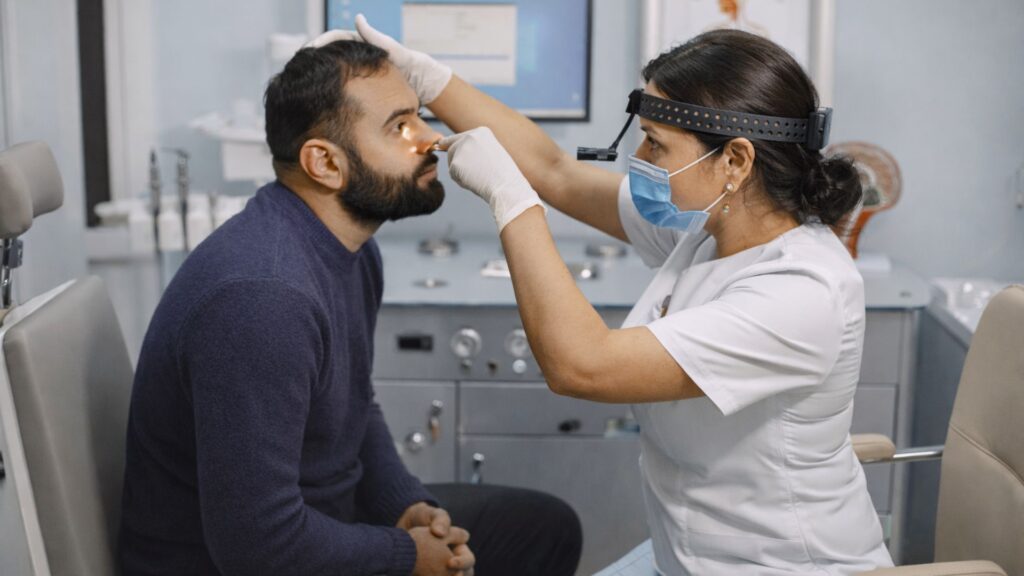
A typical visit may include:
- Vision assessment
- Eye pressure measurement
- Retinal examination
- Corneal evaluation
- Discussion of symptoms and lifestyle
A trusted best eye doctor in Ambikapur explains findings in simple terms and discusses next steps without pressure.
Preventive Eye Care: The Underrated Advantage
Preventive care often saves vision before problems arise.
Routine eye exams help:
- Detect silent conditions early
- Adjust prescriptions correctly
- Prevent complications
- Maintain long-term eye health
This proactive approach is one of the strongest reasons to visit eye hospitals even without major symptoms.
FAQs: Visiting Eye Hospitals in Ambikapur
How often should I get my eyes checked?
Adults should consider an eye exam every 1–2 years, or as advised.
Is blurred vision always serious?
Not always, but persistent blur needs evaluation.
Should children get routine eye exams?
Yes, especially during school years.
Do eye hospitals treat only serious conditions?
No. They handle everything from routine checks to advanced care.
Is eye treatment in Ambikapur reliable?
Yes, when provided by experienced specialists and equipped hospitals.

Conclusion: Listening to Your Eyes Matters
Eyes rarely shout for attention. They whisper through small changes—ones that are easy to ignore but costly to delay.
Visiting the best eye hospitals in Ambikapur at the right time ensures that problems are detected early, treated accurately, and managed with care. Whether it’s a routine checkup or a specific concern, timely eye treatment in Ambikapur protects not just vision, but quality of life.
Hospitals like Sankalp Eye Hospital reflect how structured care, experienced doctors, and patient-focused guidance can come together to offer reliable eye care for people of all ages.
Your Next Step
If something about your vision feels off—even slightly—don’t wait for it to worsen.
Schedule an eye evaluation, ask questions freely, and trust specialists who prioritize clarity over confusion.
Healthy eyes don’t demand attention.
They deserve it.