Best Retinal Eye Treatment in Ambikapur
At Amrita Hospital
What isRetinal Eye Treatment?
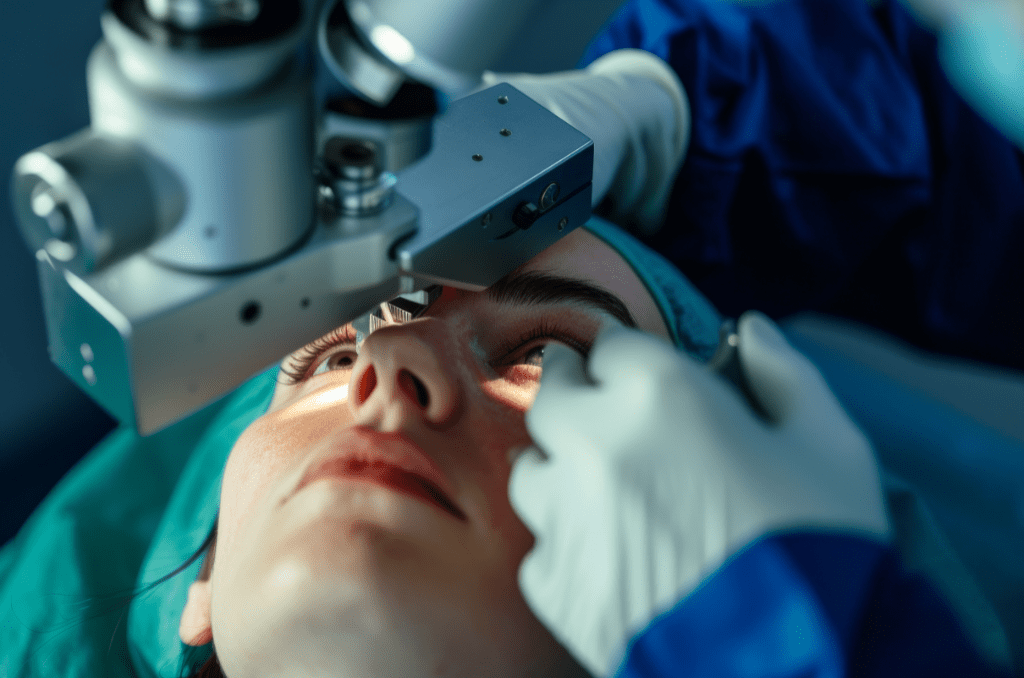
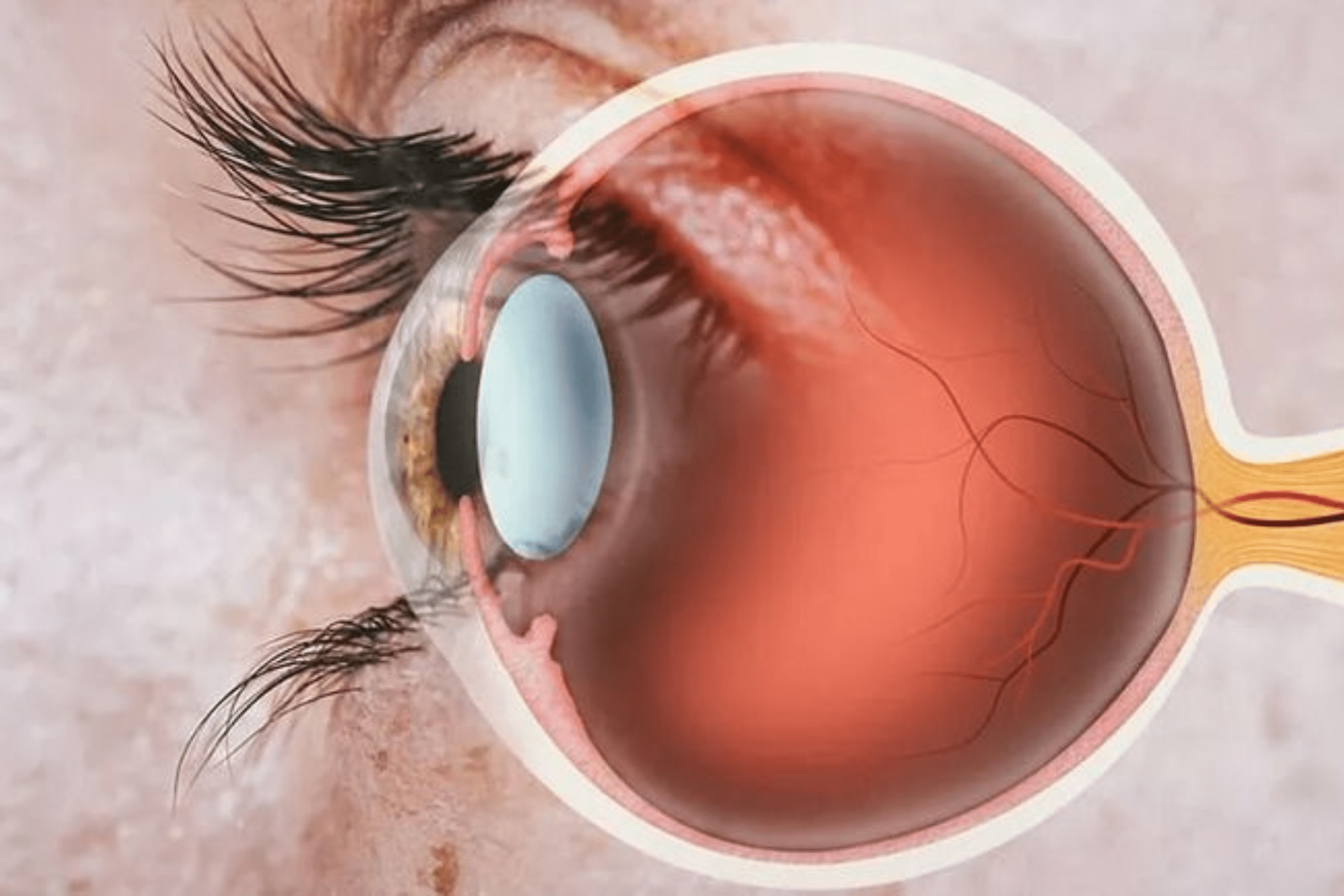
Retina eye treatment refers to medical and surgical procedures used to manage conditions that affect the retina—the light-sensitive tissue at the back of the eye. Common issues include retinal detachment, diabetic retinopathy, macular degeneration, and retinal tears. Treatments may involve laser therapy, injections, cryotherapy, or advanced surgeries to restore or preserve vision.
These treatments are highly specialized and aim to prevent further damage while improving sight where possible. Early detection is crucial, as many retinal problems can lead to permanent vision loss if untreated. Regular eye exams help identify issues before they become severe.
Key Signs that You May Need to Consider Retinal Eye Treatment

- Blurred or Distorted Vision
- Sudden Flashes of Light
- New or Increased Floaters
- Dark Curtain Over Vision
- Difficulty Reading or Seeing Fine Details
- Loss of Central or Peripheral Vision
- Risk from Diabetes or High Blood Pressure
- Importance of Regular Eye Check-Ups
- Availability of Laser and Injection Therapies
- Need for Prompt Surgery in Severe Cases
- Early Treatment Prevents Permanent Vision Loss
GOT A QUESTION
Frequently AskedQuestions
Retina treatment is medical care to repair or protect the retina, the light-sensitive layer at the back of the eye.
It is needed when the retina is damaged by conditions like diabetes, aging, or retinal detachment.
Yes, untreated retina problems can lead to permanent vision loss or blindness.
Common treatments include laser therapy, eye injections, and surgery like vitrectomy.
Most treatments are done with numbing drops or anesthesia, so pain is minimal.
People with diabetes, high blood pressure, aging, or eye injuries are at higher risk.