


Every morning, most of us go through the same familiar rituals — brushing teeth, grabbing a cup of chai, checking our phones. But while these routines help us start the day, some seemingly harmless habits can slowly chip away at one of our most precious senses: vision. Sight influences every aspect of life, from the smiles we share to the roads we travel, and protecting it should be as intentional as any other health choice we make.
This blog dives into seven everyday habits that might be stealthily harming your eyes. Drawing on guidance from top ophthalmologists and specialists at a leading Ophthalmologists Hospital in Ambikapur, we’ll uncover behaviors that seem innocent but carry real consequences, explain why they matter, and offer practical, human‑centric advice you can start using today.
Whether you’re considering a visit to an Ophthalmologist Clinic in Ambikapur or just want to preserve your eye health for years to come, this guide is both a wake‑up call and a roadmap to brighter, clearer vision.
Understanding the Foundation: Why Small Habits Matter
Vision isn’t something that deteriorates only with age or serious injury. It can be influenced by everyday choices — from how we use technology to what we eat and how we rest. The eye is a complex organ, with delicate structures that respond not only to the world around us, but also to the way we live.
At the heart of this discussion are insights gathered from professionals working at one of the Best Eye Hospitals in Ambikapur. Their clinical observations and patient interactions reveal patterns that often go unnoticed until problems arise.
Let’s start with the first habit that might be silently affecting your eyesight.

Habit #1: Ignoring Screen Breaks — The Digital Drain on Your Eyes
Why Your Eyes Pay the Price
In today’s hyper‑connected world, screens are unavoidable. Whether you’re working on a laptop, watching content on a tablet, or scrolling through social apps on your phone, your eyes are spending long hours processing bright, high‑contrast images. Over time, this continuous strain can lead to symptoms like dryness, blurriness, irritation, and fatigue — collectively known as digital eye strain.
At an Ophthalmologists Hospital in Ambikapur, clinicians see countless individuals who come in complaining that their eyes feel “gritty” or “tired,” especially after long periods in front of screens. Often, these patients don’t realize that their daily screen habits are the root of their discomfort.
What Happens Inside Your Eyes
Every time you stare at a screen, your blink rate drops — significantly. Normally, humans blink about 15–20 times a minute. But during intense screen use, that rate can fall by more than 50%. Less blinking means less lubrication on the eye’s surface, leading to dryness and irritation.
Plus, the blue light emitted from screens can contribute to visual stress and disrupt your sleep cycle — affecting your overall eye health indirectly.
Simple Shifts That Make a Big Difference
- Follow the 20‑20‑20 rule: Every 20 minutes, take a 20‑second break to look at something 20 feet away.
- Adjust your screen settings: Reduce brightness and increase text size to ease visual demand.
- Use artificial tears after long sessions to keep your eyes moist.
These changes take just moments but protect your vision over years.
Habit #2: Rubbing Your Eyes — Comfort That Comes With a Cost
The Temptation vs The Consequence
When eyes feel itchy or tired, a natural reaction is to rub them. It’s almost reflexive — a moment of relief that can quickly become a problem.
Why? Because rubbing your eyes puts pressure on the delicate tissues inside. In extreme cases, excessive rubbing can even distort the shape of the cornea over time, increasing the risk of problems like astigmatism or worsening existing refractive errors.
Patients visiting an Ophthalmologist Clinic in Ambikapur frequently reveal that rubbing has become a go‑to response for irritation — unaware of the potential harm it causes.
What Actually Happens When You Rub
- Tiny blood vessels can burst, leading to redness and discomfort.
- Allergens trapped on your fingers or lashes can be introduced deeper into the eye.
- Constant pressure can exacerbate underlying corneal issues.
Better Alternatives
Instead of rubbing:
- Use cool compresses to soothe irritation.
- Apply preservative‑free eye drops to relieve dryness.
- Blink gently and consciously to refresh the tear film.
These actions calm the eyes without risking harm.
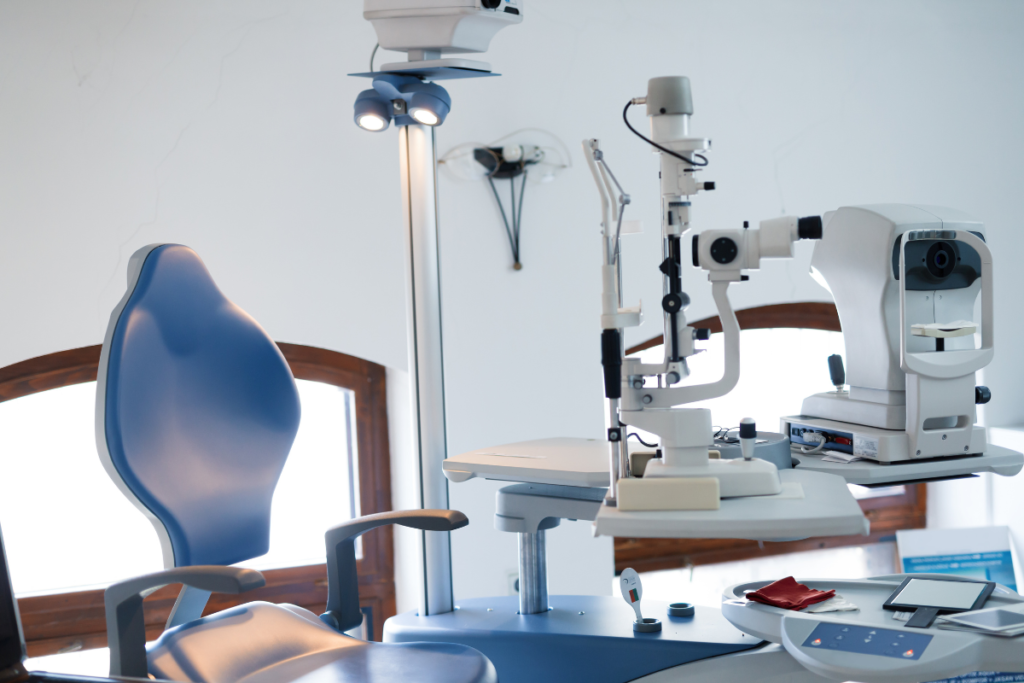
Habit #3: Skipping Regular Eye Check‑Ups — When “Nothing’s Wrong” Isn’t Enough
The Myth of “Perfect” Vision
A lot of people avoid eye exams because their vision seems fine. They read the small print clearly and don’t feel pain. But clarity isn’t the only measure of eye health.
At one of the Best Eye Hospitals in Ambikapur, specialists often encounter patients whose serious conditions — like glaucoma or early retinal issues — show no obvious symptoms initially. These conditions can advance silently until significant damage has occurred.
The Value of Early Detection
When caught early:
- Many eye diseases are far more manageable.
- Treatments can prevent irreversible vision loss.
- You gain a clearer understanding of how your eyes are changing over time.
Regular eye exams serve as a preventive shield rather than a last‑minute fix.
How Often Should You Check?
- Adults under 40: Once every two years (more often if you have risk factors).
- Adults over 40: Annually.
- Anyone with diabetes or family history of eye problems: As recommended by your specialist.
Keeping up with these visits is a big step toward lifelong visual health.
Habit #4: Neglecting Sunglasses — Daytime Eye Protection Isn’t Optional
UV Rays Are More Than a Sunburn Risk
People often wear sunscreen to protect their skin but forget about their eyes. UV radiation doesn’t just affect the skin around the eyes — it also impacts internal structures.
Prolonged UV exposure can contribute to:
- Cataract formation
- Macular degeneration
- Photokeratitis (“sunburn” of the cornea)
That’s why wearing sunglasses should be as automatic as putting on sunscreen in bright sunlight.
Choosing the Right Shades
Not all sunglasses are created equal. Look for:
- UV400 or 100% UV protection labels
- Wraparound frames that block light from the sides
- Polarized lenses to reduce glare (especially helpful while driving)
This is a small investment with big returns for your long‑term eye health.
Habit #5: Poor Sleep Habits — Your Eyes Don’t Get a Break at Night
Rest Is Part of Eye Health
The human body doesn’t take breaks — it regenerates. And sleep is the time when eyes receive vital rest and recovery.
Chronic lack of sleep doesn’t just leave you feeling groggy. It:
- Reduces tear production
- Increases eye irritation
- Can worsen dry eye symptoms
- May contribute to long‑term vision issues
Ophthalmologists at leading eye care centers often see patients whose complaints of redness and tired eyes improve dramatically after they prioritize quality sleep.
Simple Sleep Hygiene Tips
- Maintain a consistent sleep schedule
- Avoid screens at least 30 minutes before bed
- Create a dark, cool bedroom environment
Your eyes work hard all day — they deserve proper downtime.
Habit #6: Ignoring Nutrition — The Eyes Reflect What You Eat
The Link Between Diet and Vision
Healthy vision is more than just genetics — it’s deeply connected to the nutrients you consume. Certain vitamins, minerals, and fatty acids help maintain the integrity of eye tissues and support vital processes like light processing and retinal health.
Unfortunately, many people overlook nutrition when it comes to eye care.
Nutrients That Support Vision
- Vitamin A: Essential for night vision
- Omega‑3 fatty acids: Helps maintain tear film and reduce dry eye
- Lutein and Zeaxanthin: Protect against light‑induced damage
- Vitamin C and E: Antioxidants that support eye tissue health
Foods rich in these nutrients include:
- Leafy greens (spinach, kale)
- Carrots and sweet potatoes
- Fish like salmon and sardines
- Citrus fruits and berries
- Nuts and seeds
When these foods become staples, your eyes benefit from the inside out.
Habit #7: Smoking — A Major Risk You Can Control
Why Smoking Is Bad News for Your Eyes
Most people understand the respiratory and cardiovascular risks of smoking. But fewer realize how profoundly smoking affects vision.
Tobacco smoke introduces harmful chemicals that:
- Accelerate cataract formation
- Increase the risk of macular degeneration
- Reduce blood flow to the optic nerve
At reputable Ophthalmologists Hospital in Ambikapur centers, specialists consistently point to smoking as a modifiable but serious risk factor.
Make Vision a Reason to Quit
If you’re a smoker, this isn’t just another health warning — it’s a direct call to protect your sight. Quitting smoking can significantly reduce your risk of vision‑related diseases and improve overall eye health.
Speak with your healthcare provider about strategies and support systems that work for you.

👁️🗨️ How Your Eyes Hold Clues to Your Health
Your eyes don’t just help you see — they tell stories about your overall well‑being. Many systemic conditions, from diabetes to hypertension, often first show signs in eye exams. That’s why regular check‑ups at a respected Ophthalmologist Clinic in Ambikapur aren’t just about vision correction — they’re about safeguarding a critical window into your health.
🧼 Everyday Tips for Better Eye Health
Here’s a friendly checklist you can follow:
✔ Take micro‑breaks during screen time
✔ Keep your hands clean and avoid rubbing your eyes
✔ Wear protective eyewear during sports and outdoor work
✔ Choose balanced meals with eye‑healthy nutrients
✔ Wear appropriate sunglasses when outdoors
✔ Prioritize restful sleep
These simple habits, when consistently practiced, can build enduring visual well‑being.
🤔 Frequently Asked Questions (FAQs)
Q1. How often should I get my eyes checked?
Aim for a comprehensive eye exam at least once a year, or as recommended after consultation at an Ophthalmologists Hospital in Ambikapur — especially if you have existing vision issues or risk factors.
Q2. Can digital eye strain cause permanent vision loss?
Digital eye strain doesn’t typically cause vision loss, but it can lead to discomfort, dryness, and fatigue. Managing screen habits helps prevent long‑term issues.
Q3. Are blue‑light filtering glasses worth it?
Blue‑light filtering glasses can reduce glare and strain, particularly if you spend long hours in front of digital screens. Many people find them helpful as part of a broader eye care routine.
Q4. Can nutrition really make a difference in eye health?
Absolutely. Specific nutrients support essential eye functions. Including eye‑friendly foods in your diet boosts overall eye comfort and function.
Q5. What’s the best way to protect kids’ vision?
Encourage regular eye exams, limit excessive screen time, ensure outdoor play in natural light, and provide balanced nutrition — all helpful for healthy visual development.
🌟 Conclusion: Small Shifts, Big Impact
Every day offers a fresh opportunity to protect your vision. Your eyes serve as gateways to life’s experiences — from subtle smiles to breathtaking landscapes. Yet, subtle habits can accelerate wear and tear before we even notice.
Thankfully, guidance from specialists at an Ophthalmologists Hospital in Ambikapur, including care teams at Sankalp Eye Hospital, shows that proactive choices — like prioritizing regular exams, managing screen time, choosing eye‑healthy foods, and protecting your eyes from harmful exposure — make a profound difference.
Invest just a little time in your eye health today, and you’re investing in a lifetime of clearer, brighter vision.
👁️🗨️ Ready to Take Control of Your Eye Health?
If you’re due for an eye check‑up, noticing discomfort, or simply want expert guidance, reach out to a trusted Ophthalmologist Clinic in Ambikapur. Scheduling a comprehensive eye exam could be the most important decision you make this year — and your future self will thank you.
👉 Act now. Protect the gift of sight before symptoms become regrets.