

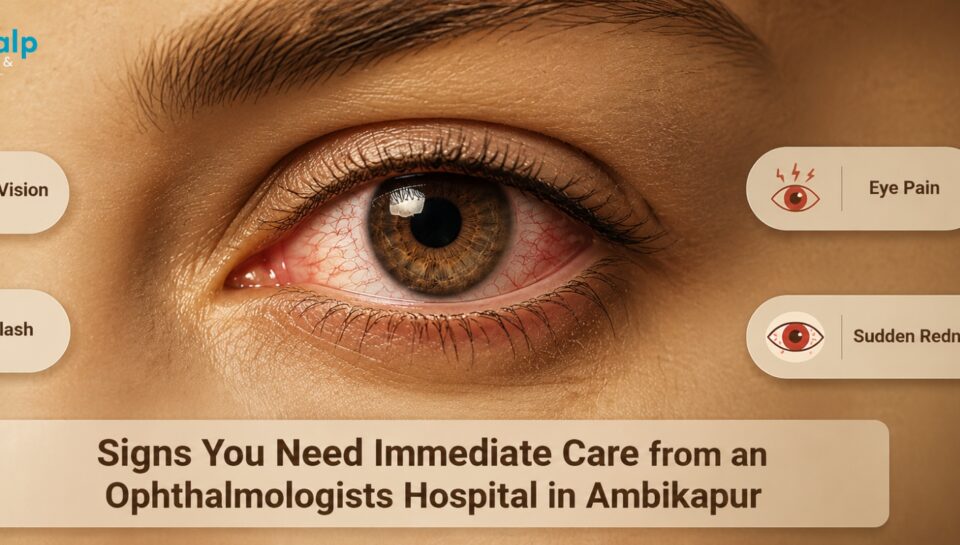
Our eyes work tirelessly every single day. From the moment we wake up until we go to sleep, they help us read, work, drive, recognize faces, and experience the world around us. Because our vision feels so natural, it’s easy to ignore small warning signs until they become impossible to overlook.
Many people believe that eye problems only happen with age or that blurry vision can always be corrected with a new pair of glasses. While that’s true in some cases, certain symptoms require immediate medical attention. Delaying treatment can sometimes lead to permanent vision loss or serious complications.
If you’ve ever wondered whether your eye problem is urgent or can wait a few days, you’re not alone. Knowing the difference can protect your eyesight and even prevent irreversible damage.
In this guide, we’ll discuss the warning signs that mean it’s time to visit an Ophthalmologists Hospital in Ambikapur, why timely treatment matters, and how early intervention can preserve your vision.
Why You Should Never Ignore Eye Symptoms
A slight headache or a mild cold often improves with rest. Eye problems are different.
Some eye conditions progress silently, while others worsen rapidly within hours or days. What begins as mild discomfort can quickly become a medical emergency if left untreated.
Consider someone who notices a sudden blur while reading. At first, they assume they’re simply tired. By the next morning, the vision becomes significantly worse. What seemed like a minor inconvenience turns out to be a retinal problem requiring urgent treatment.
Stories like these remind us that our eyes rarely send warning signals without a reason.
That’s why visiting an Ophthalmologist Clinic in Ambikapur at the right time can make all the difference.
Sudden Vision Loss
Perhaps the most serious warning sign is sudden loss of vision.
Whether it affects one eye or both, sudden vision loss should always be treated as a medical emergency.
It may indicate conditions such as:
- Retinal detachment
- Blocked retinal blood vessels
- Optic nerve disorders
- Serious infections
Even if your vision returns after a few minutes, don’t ignore it.
Immediate evaluation at an Ophthalmologists Hospital in Ambikapur can help identify the underlying cause before permanent damage occurs.
Sudden Blurry Vision
Blurry vision doesn’t always mean you need stronger glasses.
If your eyesight suddenly becomes blurry without any obvious reason, it’s important to seek prompt medical care.
Possible causes include:
- Eye infections
- Retinal problems
- Glaucoma
- Diabetes-related eye disease
- High blood pressure affecting the eyes
Quick diagnosis often leads to better treatment outcomes.
Severe Eye Pain
Healthy eyes should never cause intense pain.
While mild irritation can result from dust or allergies, severe pain may indicate serious conditions such as:
- Acute glaucoma
- Corneal ulcers
- Eye injuries
- Internal inflammation
Ignoring severe eye pain could place your vision at risk.
If the pain is accompanied by nausea, headache, or blurred vision, visit an Ophthalmologist Clinic in Ambikapur immediately.
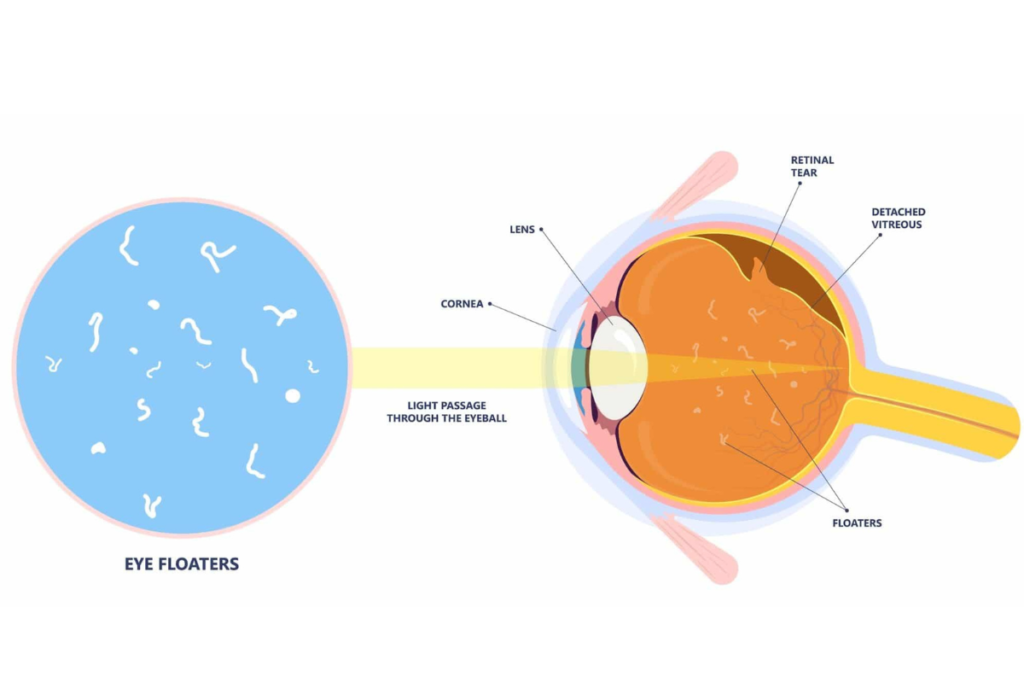
Flashes of Light and Floaters
Many people occasionally notice tiny floating spots in their vision.
Most floaters are harmless.
However, if you suddenly experience:
- Numerous new floaters
- Bright flashes of light
- A shadow moving across your vision
- A curtain-like effect
These could be early signs of retinal detachment.
Retinal conditions require immediate treatment to protect eyesight.
Among the Best Eye Hospitals in Ambikapur, emergency retinal evaluation is an important service for preserving vision.
Eye Injury
Eye injuries should never be underestimated.
Whether caused by:
- Sports
- Workplace accidents
- Chemicals
- Sharp objects
- Fireworks
Professional evaluation is essential.
Avoid rubbing the eye or attempting home treatment.
Instead, seek immediate care from an Ophthalmologists Hospital in Ambikapur to minimize the risk of permanent damage.
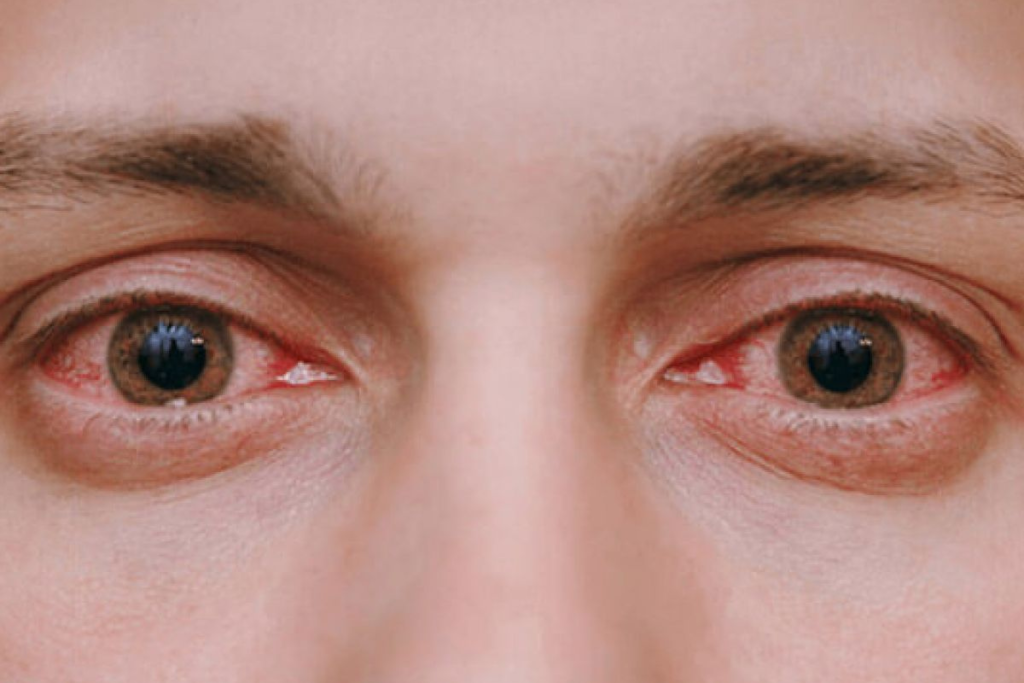
Red Eyes with Pain
Not every red eye is caused by lack of sleep.
If redness occurs along with:
- Pain
- Sensitivity to light
- Blurred vision
- Swelling
- Discharge
it may indicate a more serious condition requiring medical attention.
Early diagnosis helps prevent complications and speeds recovery.
Double Vision
Seeing two images instead of one can be alarming.
Double vision may result from:
- Eye muscle disorders
- Nerve problems
- Brain-related conditions
- Eye injuries
Even if it appears temporarily, it should never be ignored.
An experienced specialist at an Ophthalmologist Clinic in Ambikapur can determine the underlying cause and recommend appropriate treatment.
Persistent Eye Redness
Many people purchase over-the-counter eye drops whenever their eyes become red.
Unfortunately, repeated redness may signal:
- Chronic infections
- Allergies
- Dry eye disease
- Inflammation
- Glaucoma
If redness continues for more than a day or two despite basic care, schedule an eye examination.
Increasing Sensitivity to Light
Photophobia, or sensitivity to light, can make daily activities uncomfortable.
If bright lights suddenly become painful, it may indicate:
- Corneal injuries
- Eye infections
- Inflammation
- Uveitis
Professional evaluation ensures timely treatment before symptoms worsen.
Sudden Increase in Headaches with Vision Changes
Eye-related headaches often accompany vision problems.
Watch for symptoms such as:
- Blurred vision
- Eye strain
- Haloes around lights
- Difficulty focusing
Combined with headaches, these signs deserve prompt evaluation at an Ophthalmologists Hospital in Ambikapur.

Diabetes and Vision Changes
People living with diabetes should never ignore changes in eyesight.
Diabetic eye disease often develops without pain.
Symptoms may include:
- Blurred vision
- Floaters
- Dark spots
- Difficulty reading
- Reduced night vision
Regular eye examinations remain one of the best ways to protect vision.
Children Also Need Immediate Eye Care
Children may struggle to explain vision problems.
Parents should watch for:
- Constant eye rubbing
- Squinting
- Sitting too close to screens
- Poor school performance
- Misaligned eyes
- Frequent headaches
Early diagnosis supports healthy visual development.
Many Best Eye Hospitals in Ambikapur provide specialized pediatric eye care.
Why Delaying Treatment Can Be Dangerous
One of the biggest mistakes patients make is waiting to “see if it gets better.”
Some eye diseases progress rapidly.
Delaying treatment may result in:
- Permanent vision loss
- More complex surgery
- Longer recovery
- Higher treatment costs
Prompt medical attention usually leads to better outcomes.
What Happens During an Emergency Eye Examination?
Many patients worry about emergency eye visits.
Typically, your ophthalmologist will perform:
- Vision assessment
- Eye pressure measurement
- Retina examination
- Corneal evaluation
- Pupil examination
- Additional imaging if required
These tests help identify the exact cause of your symptoms quickly.
How Regular Eye Check-Ups Prevent Emergencies
Many serious eye diseases begin silently.
Routine examinations help detect:
- Cataracts
- Glaucoma
- Diabetic retinopathy
- Retinal disorders
- Macular degeneration
Even people with good vision should schedule periodic eye examinations.
Preventive care remains one of the smartest investments in lifelong eye health.
Choosing the Right Ophthalmologists Hospital in Ambikapur
When selecting an eye hospital, consider factors such as:
- Experienced ophthalmologists
- Modern diagnostic equipment
- Emergency care availability
- Surgical expertise
- Positive patient reviews
- Comprehensive eye care services
The goal isn’t simply treating current symptoms but protecting your long-term vision.
Everyday Habits That Protect Your Eyes
Simple lifestyle habits can reduce the risk of eye problems.
Remember to:
- Wear UV-protective sunglasses.
- Control diabetes and blood pressure.
- Eat leafy vegetables and fruits.
- Limit excessive screen time.
- Follow the 20-20-20 rule.
- Wear protective eyewear during risky activities.
- Never self-medicate with steroid eye drops.
Small daily habits contribute significantly to lifelong eye health.
Frequently Asked Questions
When should I visit an Ophthalmologists Hospital in Ambikapur immediately?
Seek emergency care if you experience sudden vision loss, severe eye pain, flashes of light, numerous floaters, eye injuries, chemical exposure, or sudden blurred vision.
Can blurry vision become serious?
Yes. While it may sometimes indicate a change in prescription, sudden blurry vision can also signal retinal disease, glaucoma, diabetes-related complications, or other serious conditions requiring prompt treatment.
How often should I visit an Ophthalmologist Clinic in Ambikapur?
Adults should generally have routine eye examinations every one to two years. Individuals with diabetes, glaucoma, or other medical conditions may require more frequent visits as advised by their ophthalmologist.
Are children’s eye problems emergencies?
Some are. Sudden vision changes, eye injuries, severe redness, swelling, or crossed eyes should be evaluated promptly by an eye specialist.
What makes the Best Eye Hospitals in Ambikapur different?
Leading eye hospitals combine experienced specialists, advanced diagnostic technology, emergency care, surgical expertise, and comprehensive treatment for a wide range of eye conditions.
Conclusion
Your eyesight is too valuable to take chances with. While some eye problems are minor and resolve quickly, others require immediate medical attention to prevent permanent damage. Recognizing warning signs such as sudden vision loss, severe pain, flashes of light, persistent redness, or eye injuries can make a significant difference in protecting your vision.
If you’re experiencing any of these symptoms, don’t delay seeking professional care. Visiting an experienced Ophthalmologists Hospital in Ambikapur or a trusted Ophthalmologist Clinic in Ambikapur at the earliest opportunity allows specialists to diagnose the problem accurately and begin appropriate treatment before complications develop.
Among the Best Eye Hospitals in Ambikapur, Sankalp Eye Hospital is dedicated to providing comprehensive eye care with experienced specialists, advanced diagnostic facilities, and patient-focused treatment for people of all ages.
When it comes to your eyesight, waiting is rarely the right decision. If something feels unusual with your vision, schedule an eye examination as soon as possible. Acting early doesn’t just protect your eyes—it protects your independence, confidence, and quality of life for years to come.