

Clear vision is something most of us take for granted—until it slowly begins to fade. Blurred images, difficulty driving at night, and struggling to read small print are often brushed off as “just age.” But more often than not, these are early signs of cataracts.
If you or a loved one is considering cataract surgery in Ambikapur, this comprehensive guide will help you understand the condition, treatment options, recovery, and how to choose the best eye doctor in Ambikapur or the Best Eye Hospitals in Ambikapur for safe and advanced care.
Over the years working closely with healthcare providers and patients in Tier-2 and Tier-3 cities, I’ve seen how access to the right information can dramatically reduce fear and improve outcomes. Let’s walk through everything you need to know.
What Is a Cataract?
A cataract is the clouding of the eye’s natural lens. This clouding prevents light from passing clearly through the lens, resulting in blurry or dull vision.
Common Symptoms of Cataracts:
- Blurry or cloudy vision
- Difficulty seeing at night
- Sensitivity to light and glare
- Fading or yellowing of colors
- Frequent change in eyeglass prescription
- Double vision in one eye
If you’re experiencing these symptoms, it’s time to consult an eye specialist in Ambikapur for a proper diagnosis.
Why Cataracts Develop
Cataracts are most commonly age-related, but they can also develop due to:
- Diabetes
- Prolonged exposure to sunlight
- Smoking
- Eye injuries
- Long-term steroid use
- Genetic factors
A real-world example is a 58-year-old schoolteacher from Ambikapur who ignored mild blurring for two years, assuming it was just “weak eyesight.” By the time she visited the best eye specialist doctor in Ambikapur, her cataract had matured significantly, making daily activities difficult. Early consultation could have simplified her treatment journey.

Is Cataract Surgery the Only Treatment?
Yes. Cataracts cannot be cured with medicines or eye drops. Surgery is the only effective solution.
The good news? Cataract surgery in Ambikapur has become highly advanced, safe, and affordable. Most procedures are completed within 15–30 minutes, and patients go home the same day.
Types of Cataract Surgery Available in Ambikapur
When choosing the Best Eye Hospitals in Ambikapur, it’s important to understand the surgical options offered.
1. Phacoemulsification (Phaco Surgery)
This is the most common and advanced method. A tiny incision is made, and ultrasound waves break the cloudy lens, which is then replaced with an artificial intraocular lens (IOL).
Benefits:
- Small incision
- Faster recovery
- Minimal stitches
- Quick return to daily activities
2. MICS (Micro Incision Cataract Surgery)
An advanced version of phaco with even smaller incisions and faster healing.
3. Manual Small Incision Cataract Surgery (SICS)
A cost-effective option widely available in many eye treatment in Ambikapur centers.
When selecting the best eye doctor in Ambikapur, always ask which technique is recommended and why.
Choosing the Right Lens (IOL)
Lens selection plays a huge role in visual outcomes after cataract surgery in Ambikapur.
Types of Lenses:
- Monofocal Lens – Corrects distance vision
- Multifocal Lens – Corrects both near and distance
- Toric Lens – Corrects astigmatism
- Premium Lenses – Reduced dependency on glasses
An experienced eye specialist in Ambikapur will assess your lifestyle before recommending a lens. For example, someone who drives frequently at night may need a different lens choice compared to someone who reads extensively.
How to Choose the Best Eye Hospitals in Ambikapur
This is one of the most common concerns patients have. Not all facilities are equal.
Here’s what to look for:
1. Experienced Surgeons
The best eye specialist doctor in Ambikapur should have years of surgical experience and a strong track record.
2. Modern Technology
Check if the hospital offers:
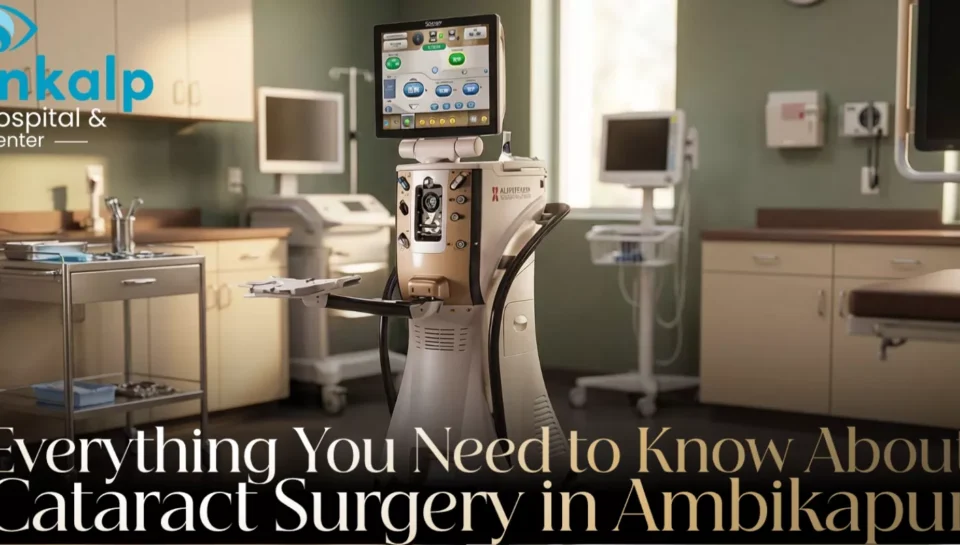
- Advanced phaco machines
- Optical biometry
- Topography
- Sterile operation theaters
3. Transparent Pricing
Reliable centers offering eye treatment in Ambikapur will provide clear cost breakdowns.
4. Patient Reviews and Reputation
Word-of-mouth in Ambikapur is powerful. Ask locals about the Best Eye Hospitals in Ambikapur.
5. Post-Surgery Care
Proper follow-up is critical. A good eye specialist in Ambikapur ensures structured post-operative monitoring.
What Happens During Cataract Surgery?
Understanding the process reduces anxiety.
- Eye dilation with drops
- Local anesthesia (no pain during surgery)
- Small incision
- Removal of cloudy lens
- Implantation of artificial lens
- Protective shield placement
Most patients are surprised at how quick and painless the procedure is.

Recovery After Cataract Surgery in Ambikapur
Recovery is typically smooth when surgery is performed by the best eye doctor in Ambikapur.
Recovery Timeline:
- First 24 hours: Mild irritation or watering
- First week: Avoid rubbing the eye
- 2–4 weeks: Vision stabilizes
Do’s and Don’ts:
- Use prescribed eye drops regularly
- Avoid heavy lifting
- Protect eyes from dust
- Wear sunglasses outdoors
Patients who follow post-op instructions from their eye specialist in Ambikapur generally experience excellent outcomes.
Cost of Cataract Surgery in Ambikapur
Cost varies based on:
- Type of surgery
- Type of lens
- Hospital infrastructure
- Surgeon expertise
On average, cataract surgery in Ambikapur can range from affordable standard procedures to premium packages with advanced lenses.
While cost matters, choosing the Best Eye Hospitals in Ambikapur should prioritize quality and safety over price alone.
Why Early Consultation Matters
Delaying treatment can:
- Increase surgical complexity
- Raise risk of complications
- Affect overall quality of life
One elderly gentleman in Ambikapur postponed surgery for years. By the time he visited the best eye specialist doctor in Ambikapur, the cataract had hardened, making surgery slightly more complex. Fortunately, with advanced eye treatment in Ambikapur, he regained functional vision.
Benefits of Cataract Surgery
- Improved clarity and brightness
- Better night vision
- Reduced glare
- Enhanced independence
- Improved quality of life
Many patients describe it as “seeing the world again in HD.”
Cataract Surgery for Diabetic Patients
Diabetes is common in the region. A skilled eye specialist in Ambikapur will evaluate retinal health before surgery.
The Best Eye Hospitals in Ambikapur often offer comprehensive diabetic eye screening alongside cataract treatment.
Pediatric and Early Cataracts
Though rare, cataracts can affect younger individuals. Timely intervention from the best eye doctor in Ambikapur ensures normal visual development.
Myths About Cataract Surgery
Myth 1: Surgery is painful
Truth: It is usually painless with local anesthesia.
Myth 2: Cataract must “ripen”
Truth: Modern techniques allow earlier intervention.
Myth 3: Recovery takes months
Truth: Most patients resume routine activities within days.
Consulting an experienced eye specialist in Ambikapur helps clear these misconceptions.
Importance of Regular Eye Check-Ups
Routine visits to the Best Eye Hospitals in Ambikapur can detect cataracts early and prevent complications.
Even if you feel your vision is “manageable,” an annual check-up with the best eye specialist doctor in Ambikapur is highly recommended after age 40.
How Technology Is Transforming Eye Treatment in Ambikapur
Modern eye treatment in Ambikapur now includes:
- Blade-free surgery options
- Digital eye measurements
- Advanced IOL customization
- Improved sterilization standards
This ensures that patients in Ambikapur no longer need to travel to bigger cities for high-quality care.
Emotional Impact of Vision Loss
Vision impairment affects confidence and independence. Patients often withdraw socially due to poor eyesight.
After undergoing cataract surgery in Ambikapur, many individuals regain not just sight—but confidence, mobility, and emotional well-being.
Frequently Asked Questions (FAQs)
1. Is cataract surgery safe?
Yes. When performed by the best eye doctor in Ambikapur, it is one of the safest surgeries worldwide.
2. How long does cataract surgery take?
Usually 15–30 minutes.
3. When can I resume normal activities?
Light activities within a few days; full recovery in 2–4 weeks.
4. Will I need glasses after surgery?
Depends on the lens chosen. Discuss with your eye specialist in Ambikapur.
5. Can both eyes be operated together?
Usually one eye at a time, with a gap of a few days or weeks.
Conclusion: Restoring Vision with the Right Choice
Choosing the right facility for cataract surgery in Ambikapur can transform your life. The city now offers advanced eye treatment in Ambikapur, eliminating the need to travel far for quality care.
When searching for the Best Eye Hospitals in Ambikapur, always prioritize expertise, technology, patient care, and transparency. Consulting the best eye doctor in Ambikapur or an experienced eye specialist in Ambikapur ensures not just successful surgery—but long-term eye health.
One trusted name often mentioned in discussions about the Best Eye Hospitals in Ambikapur is Sankalp Eye Hospital. Known for its modern infrastructure, experienced surgeons, advanced cataract technology, and patient-centered approach, Sankalp Eye Hospital has become a preferred destination for cataract surgery in Ambikapur and comprehensive eye treatment in Ambikapur. With a focus on safety, precision, and personalized care, it stands among the
Take the next step today. Schedule a comprehensive eye check-up, consult an experienced eye specialist in Ambikapur, and give your vision the care it deserves. Book your appointment now and move toward a brighter, clearer tomorrow.