


There’s something dangerous about diabetes that most people don’t realize until it’s too late.
It often damages the eyes silently.
No dramatic warning.
No immediate pain.
No sudden blindness overnight.
For months—or sometimes years—people continue with daily life believing everything is fine while diabetes slowly affects the tiny blood vessels inside the eyes.
That’s exactly why doctors repeatedly stress the importance of early eye examinations for diabetic patients.
Across Ambikapur, eye specialists are seeing a growing number of patients whose vision problems could have been prevented with timely care. The frightening part is that many of them never noticed symptoms early enough.
This is why awareness around Diabetic Eye Treatment in Ambikapur has become more important than ever.
Because once vision starts deteriorating significantly, treatment becomes more complex, emotionally stressful, and financially heavier.
Let’s understand how diabetes quietly affects eyesight, the symptoms people ignore, and why regular visits to an Eye check up center in Ambikapur can literally protect your vision for life.
Why Diabetes Affects the Eyes
To understand diabetic eye disease, think of your eyes as highly delicate cameras connected through tiny blood vessels and nerves.
These blood vessels are extremely sensitive.
When blood sugar levels remain uncontrolled for long periods, those vessels begin weakening. Some leak fluid. Some swell. Others get blocked completely.
This affects the retina—the part of the eye responsible for sending visual signals to the brain.
Over time, vision starts getting affected.
The problem is that diabetic eye damage usually progresses quietly in the beginning.
A person may still:
- Drive normally
- Work on screens
- Read comfortably
- Continue routine life
…without realizing internal damage has already started.
That silent progression is what makes diabetes-related eye problems so dangerous.
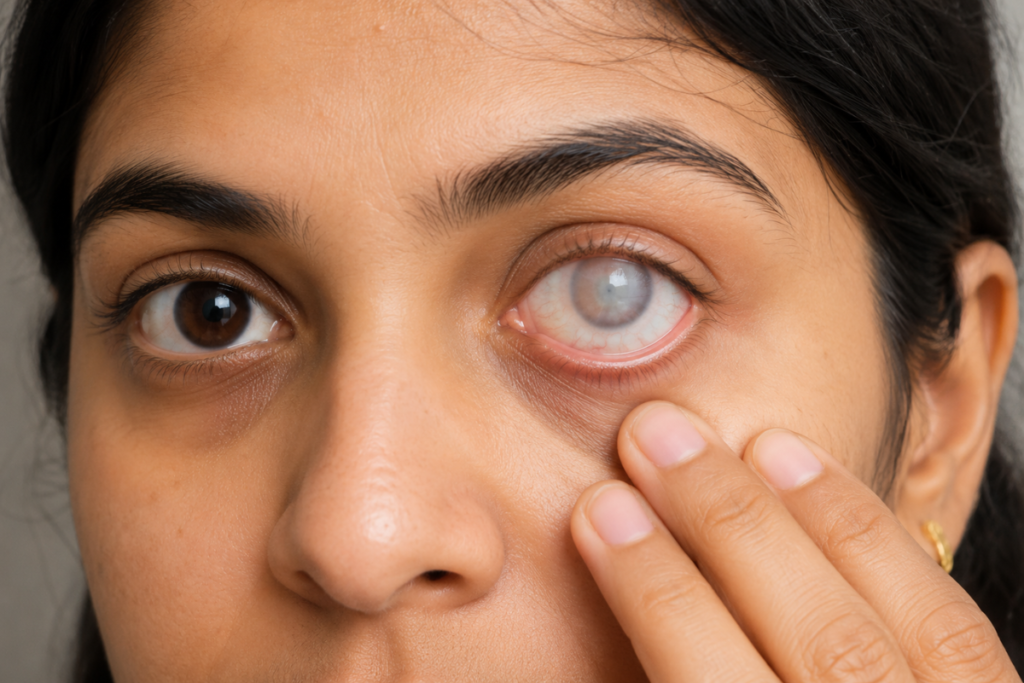
What Is Diabetic Retinopathy?
One of the most common complications linked to diabetes is diabetic retinopathy.
This condition develops when high blood sugar damages retinal blood vessels.
Initially, symptoms may barely appear.
But gradually, people may experience:
- Blurred vision
- Floaters
- Difficulty seeing at night
- Eye strain
- Dark spots
- Distorted vision
- Sudden vision loss in advanced stages
The scary part?
Some patients discover the problem only during a routine examination at an Diabetic Eye Treatment in Ambikapur.
That’s why regular eye screening becomes essential for every diabetic patient—even if eyesight feels perfectly normal.
Why Working Professionals Are Especially at Risk
Modern lifestyles are worsening the problem.
Many professionals now spend:
- 8–12 hours on laptops
- Long hours on mobile screens
- Late nights under artificial lighting
- Minimal outdoor exposure
Combine that with diabetes, stress, irregular sleep, and poor diet habits, and eye strain increases significantly.
Doctors at The Best Hospital for Eye in Ambikapur often notice a pattern:
People ignore symptoms because they assume it’s “just screen fatigue.”
But diabetes changes the equation completely.
What seems like ordinary eye strain may actually indicate early retinal damage.
The Silent Symptoms People Commonly Ignore
One of the biggest mistakes diabetic patients make is waiting for “serious symptoms.”
Unfortunately, diabetic eye disease doesn’t always announce itself loudly.
Here are subtle warning signs people often dismiss:
Frequent Headaches
Especially after screen use or reading.
Temporary Blurred Vision
Vision improves after rest, so people ignore it.
Difficulty Driving at Night
Lights appear scattered or blurry.
Increased Eye Fatigue
Eyes feel strained unusually quickly.
Floating Black Dots
Small moving spots or threads in vision.
Sudden Change in Glass Power
Repeatedly changing prescription numbers.
These symptoms should never be ignored—especially for diabetic patients.
Visiting an Eye check up center in Ambikapur early can prevent long-term complications.
Why Diabetes and Vision Loss Are Deeply Connected
Many people don’t realize how closely diabetes and eyesight are linked.
High blood sugar affects:
- Retinal blood vessels
- Eye nerves
- Lens flexibility
- Eye pressure
- Healing capacity
This increases the risk of:
- Diabetic retinopathy
- Cataracts
- Glaucoma
- Macular edema
- Vision impairment
And here’s the reality doctors often explain carefully:
By the time vision loss becomes noticeable, damage may already be advanced.
That’s exactly why preventive care matters more than emergency treatment.

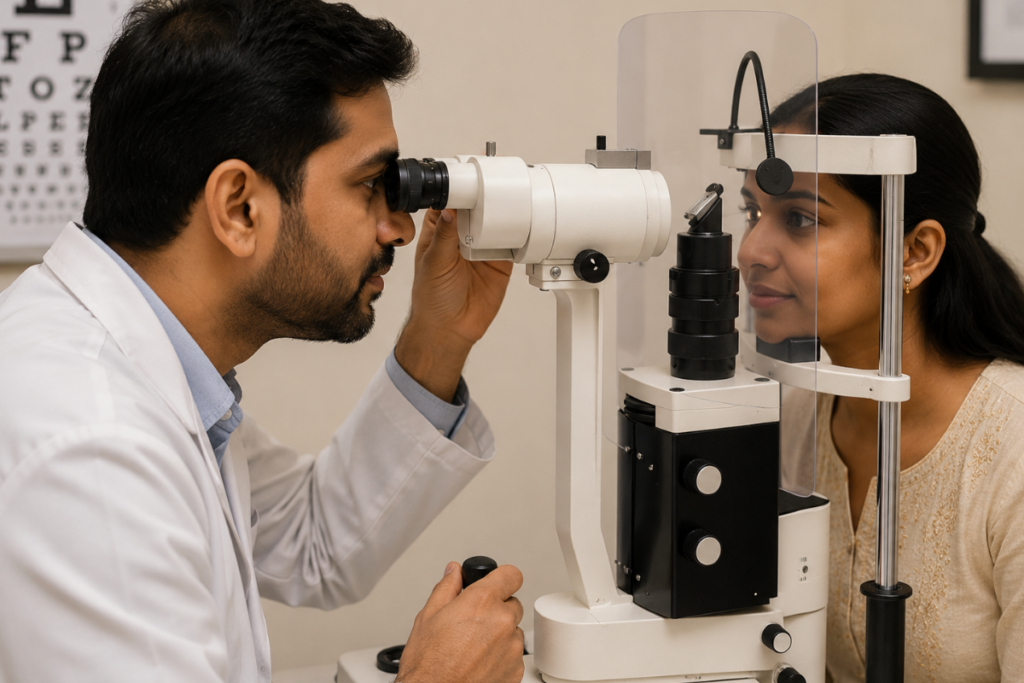
What Happens During a Diabetic Eye Examination?
Many people delay checkups because they assume eye tests are painful or complicated.
In reality, diabetic eye screening is usually simple and comfortable.
At an Eye check up center in Ambikapur, examinations may include:
Vision Testing
Checking clarity and sharpness of vision.
Retina Examination
Doctors examine retinal blood vessels carefully.
Eye Pressure Testing
To identify glaucoma-related risks.
Dilated Eye Exam
Special drops help doctors examine the retina in detail.
OCT Scans (If Needed)
Advanced imaging detects retinal swelling and damage.
These tests help identify issues before they become severe.
Why Choosing the Right Eye Hospital Matters
Not every clinic offers advanced diabetic retinal care.
When dealing with diabetes-related vision problems, patients should look for:
- Experienced retinal specialists
- Advanced retinal imaging
- Modern laser facilities
- Comprehensive diabetic eye care
- Follow-up monitoring systems
That’s why many patients specifically search for The Best Hospital for Eye in Ambikapur when dealing with diabetic complications.
Because specialized expertise significantly improves outcomes.
How Technology Has Improved Diabetic Eye Treatment
Modern ophthalmology has advanced tremendously.
Years ago, diabetic retinal diseases were often detected late with limited treatment options.
Today, advanced technologies help doctors identify problems much earlier.
Modern systems include:
- Digital retinal imaging
- OCT retinal scans
- Precision laser treatment
- Minimally invasive procedures
This technology allows specialists to detect microscopic changes before patients even notice symptoms.
That’s a major breakthrough in eye care.
How Often Should Diabetic Patients Get Eye Checkups?
Most eye specialists recommend:
- Annual eye examinations for diabetic patients
- More frequent checkups if retinal damage already exists
Patients with:
- High blood sugar levels
- Long-term diabetes
- Blurred vision
- Blood pressure issues
…may require closer monitoring.
Doctors at The Best Hospital for Eye in Ambikapur usually create individualized follow-up schedules depending on retinal condition and diabetes history.
Can Diabetic Eye Damage Be Reversed?
This depends on how early the disease is detected.
Mild early-stage damage can often be managed successfully with:
- Better sugar control
- Regular monitoring
- Timely intervention
Advanced retinal damage becomes more difficult to reverse completely.
That’s why awareness and early diagnosis matter enormously.
The earlier treatment begins, the better the chances of preserving vision.
Why Ambikapur Needs More Awareness About Diabetic Eye Disease
As diabetes cases continue rising across Ambikapur, awareness around eye health becomes increasingly important.
Many patients still don’t realize:
- Diabetes can damage eyes silently
- Symptoms may appear late
- Vision loss can become permanent
- Early treatment dramatically improves outcomes
Public awareness and regular screening can prevent countless avoidable vision problems.
FAQs
Can diabetes permanently damage eyesight?
Yes. Uncontrolled diabetes can damage retinal blood vessels and cause permanent vision loss if left untreated.
How often should diabetic patients visit an eye specialist?
Most diabetic patients should undergo yearly eye examinations, though some may require more frequent monitoring depending on retinal health.
What are early signs of diabetic eye problems?
Blurred vision, floaters, headaches, night vision difficulty, and frequent power changes may indicate diabetic eye complications.
Is diabetic retinopathy treatable?
Yes. Early-stage diabetic retinopathy can often be managed successfully through timely treatment and blood sugar control.
Why should diabetic patients visit an Eye check up center in Ambikapur regularly?
Regular screenings help detect silent retinal damage early before serious vision problems develop.
Conclusion
Diabetes doesn’t only affect blood sugar.
It affects vision, confidence, independence, and quality of life.
And the most dangerous part is how quietly it progresses.
That’s why regular eye examinations should never be treated as optional for diabetic patients. Early diagnosis can protect eyesight, reduce complications, and dramatically improve long-term outcomes.
If you or a loved one has diabetes, don’t wait for severe symptoms before seeking help. Visiting an Eye check up center in Ambikapur regularly may prevent irreversible vision loss later.
Trusted institutions like Sankalp Eye Hospital continue helping patients through advanced retinal screening, modern diabetic eye care, and specialized treatment support for diabetes-related eye conditions.
When it comes to vision, prevention is always more powerful than regret.
Schedule regular screenings, stay aware of subtle symptoms, and prioritize your eye health before diabetes silently takes control.