


Cataract surgery has evolved tremendously over the years. What was once seen as a basic procedure to restore cloudy vision is now a highly customized eye treatment that can significantly improve a person’s quality of life. One of the most important — and often misunderstood — parts of this journey is choosing the right lens.
Patients visiting the best eye hospitals in Ambikapur frequently ask the same question:
“Doctor, which lens is best for me?”
The honest answer is — there is no single “best” lens for everyone. The right lens depends on your eyes, your lifestyle, your expectations, and the expertise of the best eye specialist doctor in Ambikapur guiding you.This blog explains why lens choice matters in cataract surgery, how it affects long-term vision, and why consulting an experienced eye specialist in Ambikapur makes all the difference.
Understanding Cataracts and Cataract Surgery
A cataract develops when the natural lens of the eye becomes cloudy, leading to blurred vision, glare, faded colors, and difficulty with daily activities. Cataract surgery involves removing this cloudy lens and replacing it with an artificial intraocular lens (IOL).
Today, cataract surgery in Ambikapur is safe, precise, and highly successful when performed at the best eye hospitals in Ambikapur using modern technology.
But surgery alone is only half the story.The lens implanted during cataract surgery plays a lifelong role in how clearly and comfortably a person sees afterward.
Why Lens Choice Is Not “One-Size-Fits-All”
A real-world example often seen in eye treatment clinics is two patients of the same age with cataracts — yet completely different visual needs.
- One may be an avid reader who spends hours with books or mobile screens
- Another may drive frequently at night or work outdoors
- Someone else may want minimal dependence on glasses
This is exactly why lens selection during cataract surgery in Ambikapur must be personalized.
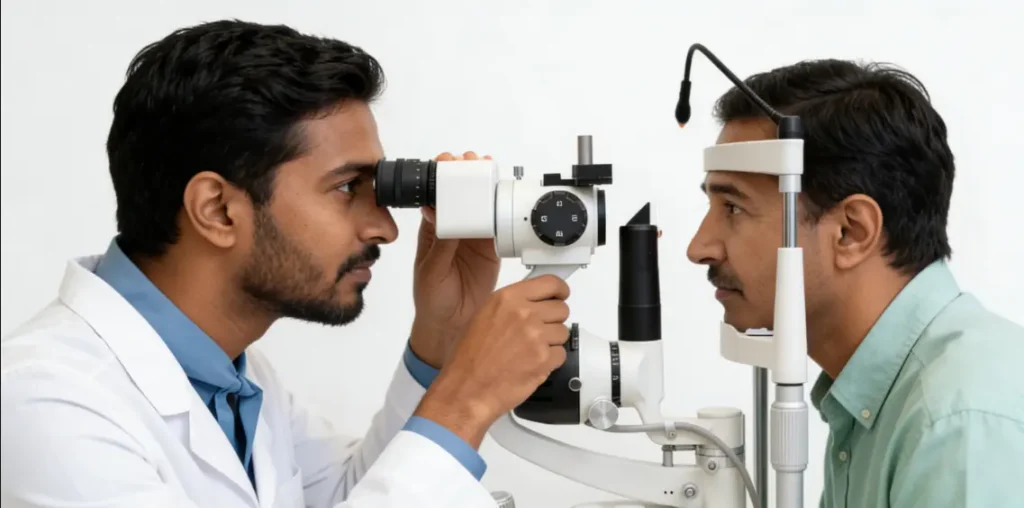
The best eye doctor in Ambikapur doesn’t simply recommend a lens — they evaluate multiple factors, including:
- Eye measurements and corneal shape
- Presence of astigmatism
- Retinal health
- Daily activities and work requirements
- Comfort with wearing glasses post-surgery
When these factors are ignored, patients may feel dissatisfied even if the surgery itself was technically perfect.
Types of Lenses Used in Cataract Surgery
Most eye specialists in Ambikapur explain lens options in simple terms so patients can make informed decisions. While this blog doesn’t aim to overwhelm you, it’s important to understand the broad categories.
Some lenses primarily focus on distance vision, while others are designed to improve near or intermediate vision. Advanced lenses may reduce dependence on spectacles, but they may not suit every eye.
This is why eye treatment in Ambikapur at reputed centers emphasizes pre-surgery counseling just as much as the procedure itself.
How the Right Lens Improves Daily Life After Surgery
Patients often underestimate how much lens choice affects everyday comfort.
A carefully chosen lens can:
- Improve clarity while reading or using mobile phones
- Reduce glare while driving at night
- Enhance contrast sensitivity
- Minimize frequent changes in spectacles
On the other hand, an unsuitable lens may cause frustration, especially if expectations were not clearly discussed beforehand.
This is where the experience of the best eye specialist doctor in Ambikapur becomes invaluable.
Why Expertise Matters More Than the Lens Brand
Many people search online for “best lens for cataract surgery,” assuming the most expensive option is always better. That’s not true.
What truly matters is:
- Proper eye evaluation
- Honest expectation setting
- Surgical precision
- Post-operative care
The best eye hospitals in Ambikapur focus on outcomes, not sales. A skilled eye specialist in Ambikapur knows when a premium lens will genuinely benefit a patient — and when a simpler option will deliver better satisfaction.
Common Mistakes Patients Make When Choosing a Lens
Over the years, several patterns are commonly seen in cataract patients:
- Choosing based on price alone
- Not discussing lifestyle needs
- Expecting perfect vision at all distances
- Skipping detailed pre-surgery evaluation
Avoiding these mistakes requires guidance from the best eye doctor in Ambikapur, not online guesswork.
The Role of Advanced Diagnostics in Lens Selection
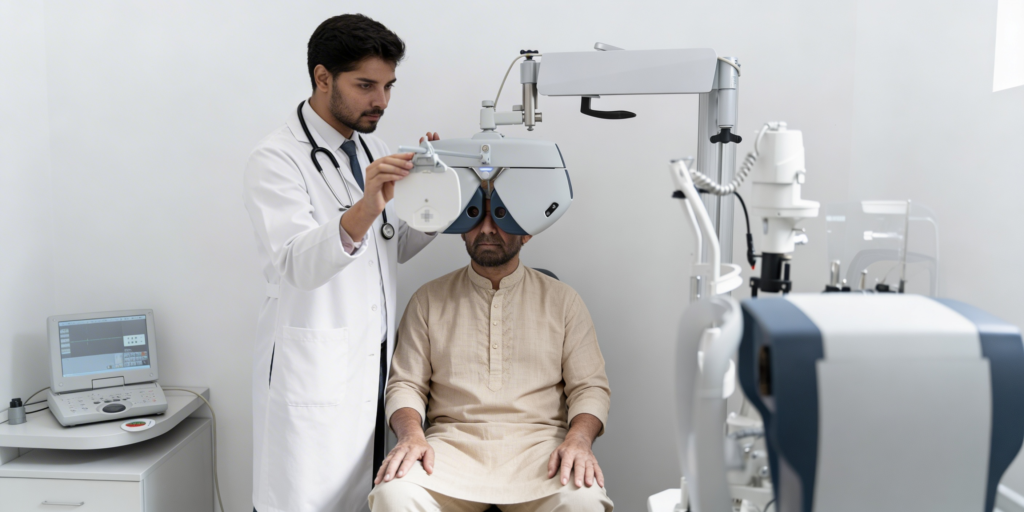
Modern eye treatment in Ambikapur includes advanced diagnostic tools that measure the eye with extreme accuracy. These tests help determine:
- Exact lens power
- Corneal curvature
- Subtle irregularities
The best eye hospitals in Ambikapur invest heavily in such technology because even small inaccuracies can affect post-surgery vision quality.
Cataract Surgery Is a Once-in-a-Lifetime Decision for Many
For most people, cataract surgery happens only once in their lifetime. That makes lens choice even more critical.
A well-chosen lens can serve comfortably for decades, while a poorly chosen one may cause ongoing dissatisfaction.
This is why cataract surgery in Ambikapur should always be planned — never rushed.
Why Local Expertise Matters
Choosing an experienced eye specialist in Ambikapur offers several advantages:
- Familiarity with local patient needs
- Easier follow-ups and continuity of care
- Trust built through community reputation
The best eye specialist doctor in Ambikapur doesn’t just treat eyes — they guide patients through a life-changing decision with patience and clarity.
FAQs About Lens Choice and Cataract Surgery in Ambikapur
1. Is cataract surgery in Ambikapur safe?
Yes. Cataract surgery in Ambikapur is extremely safe when performed at the best eye hospitals in Ambikapur using modern techniques.
2. How do I choose the best lens for my cataract surgery?
Lens choice depends on your eyes, lifestyle, and expectations. Consulting the best eye doctor in Ambikapur ensures the right recommendation.
3. Can cataract surgery remove the need for glasses?
Some patients may reduce dependence on glasses, but results vary. An experienced eye specialist in Ambikapur will explain realistic outcomes.
4. Are advanced lenses suitable for everyone?
No. Not every eye benefits from advanced lenses. Proper evaluation by the best eye specialist doctor in Ambikapur is essential.
5. How long does recovery take after cataract surgery?
Most patients recover quickly, but full visual stabilization may take a few weeks depending on individual healing.
Conclusion: Trust Experience, Not Assumptions
Lens choice is not a small detail — it is the foundation of your vision after cataract surgery. The success of cataract surgery in Ambikapur depends not only on surgical skill but also on thoughtful planning, honest discussion, and personalized care.
This is why patients are encouraged to consult the best eye hospitals in Ambikapur and seek guidance from the best eye specialist doctor in Ambikapur rather than relying on online comparisons.
Sankalp Eye Hospital has earned its reputation as one of the trusted names for eye treatment in Ambikapur, offering comprehensive eye care under one roof. With a patient-first approach, advanced diagnostics, and experienced specialists, Sankalp Eye Hospital focuses on safe, ethical, and personalized treatment. For patients seeking reliable cataract surgery in Ambikapur, the hospital emphasizes clarity, comfort, and long-term visual satisfaction.
Take the Next Step
If you or a loved one is considering cataract surgery, don’t leave such an important decision to chance. Schedule a consultation with a trusted eye specialist in Ambikapur, ask the right questions, and choose a hospital that values outcomes over shortcuts.
Clear vision isn’t just about surgery — it’s about making the right choices, guided by the best eye doctor in Ambikapur.