

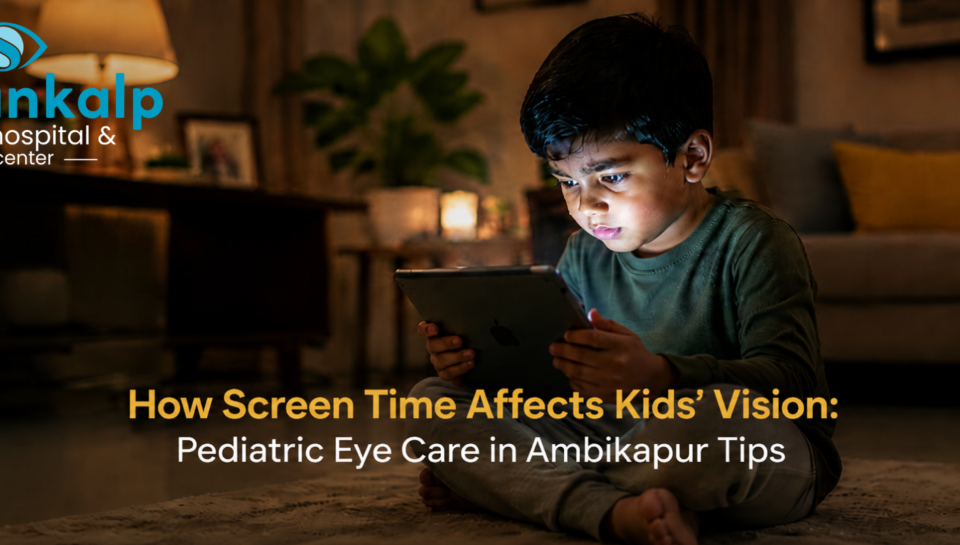
In today’s digital world, it’s common to see children glued to tablets, smartphones, or laptops. While technology opens doors to learning and creativity, it can also subtly impact young eyes. Parents in Ambikapur increasingly consult Pediatric Eye Care in Ambikapur experts to understand how screen habits influence their children’s vision. Understanding these effects and taking timely action can preserve healthy eyesight while still enjoying the benefits of modern devices.
Why Kids’ Eyes Are More Vulnerable
Children’s eyes are still developing. The cornea, lens, and retina gradually mature, and any strain or prolonged exposure to screens can affect this delicate growth. Unlike adults, kids may not immediately report blurry vision, headaches, or eye discomfort. Often, small changes go unnoticed until they start impacting reading, school performance, or physical activities.
Pediatric ophthalmologists emphasize that even small daily habits—like holding a tablet too close or using devices in dim lighting—can cumulatively strain a child’s eyes. These patterns can lead to conditions like digital eye strain, nearsightedness (myopia), or early signs of cataracts in rare cases.
Common Symptoms of Screen-Related Eye Strain in Children
Children may not always articulate discomfort. Here are subtle signs that parents should watch for:
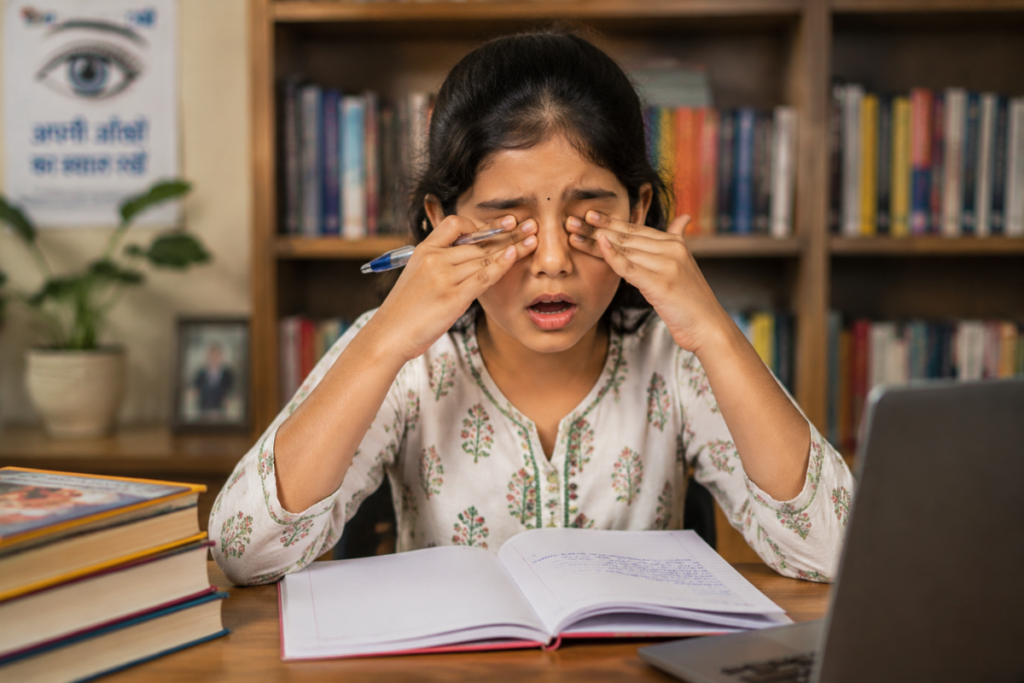
- Frequent blinking or rubbing of eyes
- Squinting to see screens or distant objects
- Complaints of headaches after device use
- Avoidance of close-up reading or homework
- Red, watery, or dry eyes
- Difficulty focusing or short attention spans during reading
Spotting these early and seeking Pediatric Eye Care in Ambikapur can prevent minor issues from escalating into more serious conditions.
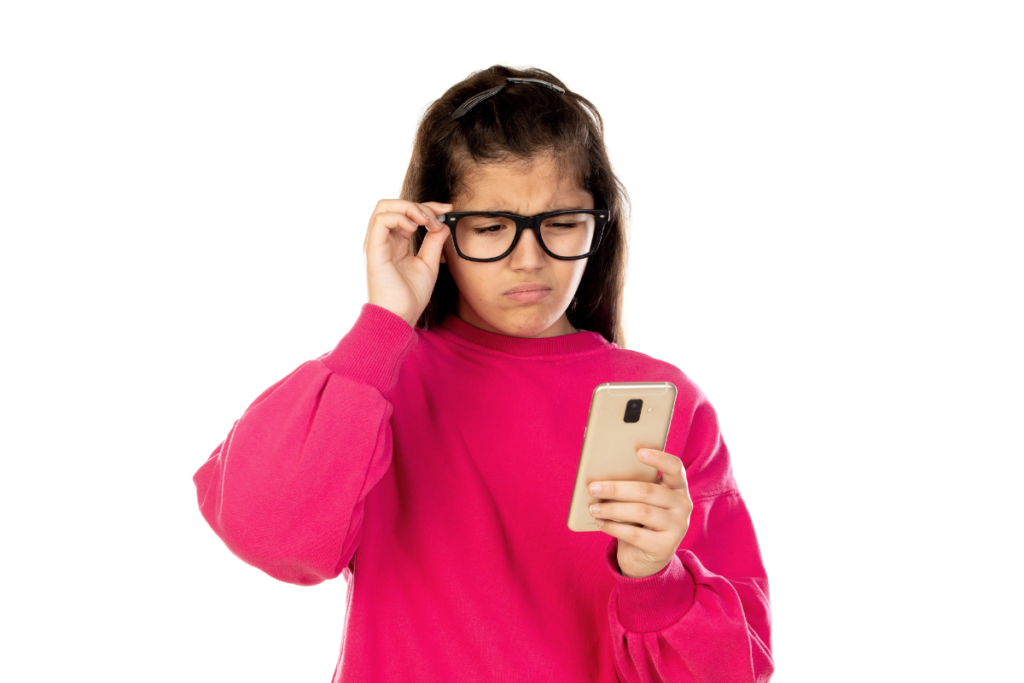
How Excessive Screen Time Contributes to Vision Problems
- Digital Eye Strain (Computer Vision Syndrome)
Staring at screens reduces blinking, causing dry eyes, irritation, and discomfort. Children often engage with devices for long, uninterrupted periods, increasing the risk. - Myopia (Nearsightedness)
Prolonged close-up work, including screen use, has been linked to an increased incidence of nearsightedness in children. Studies show that children spending more than two hours daily on screens are more likely to develop myopia earlier. - Blue Light Exposure
Modern screens emit blue light, which can penetrate deeper into the eyes and may disturb circadian rhythms, affecting sleep. While research on long-term retinal effects is ongoing, pediatric specialists recommend moderation. - Posture-Related Eye Strain
Leaning too close to screens or using devices in poor lighting can exacerbate visual fatigue, causing headaches and blurred vision over time.
Best Practices for Healthy Screen Use
Adopting practical habits can significantly reduce the risk of vision problems:
1. Follow the 20-20-20 Rule
Every 20 minutes, encourage children to look at an object 20 feet away for at least 20 seconds. This relaxes the ciliary muscles responsible for focusing on near objects.
2. Maintain Proper Distance and Position
Devices should be held 16-24 inches away from the eyes. Screens should be at or slightly below eye level, and children should sit upright with good posture.
3. Limit Continuous Screen Time
Set realistic daily limits. For example, children under 6 should have less than one hour of screen time per day, while older kids should take frequent breaks.
4. Use Adequate Lighting
Avoid using devices in complete darkness. Balanced ambient lighting reduces glare and helps prevent strain.
5. Encourage Outdoor Activities
Regular outdoor play not only improves general health but also reduces the risk of myopia progression.
6. Use Blue Light Filters or Glasses
While the evidence is mixed, blue light filters and protective eyewear can reduce eye fatigue and improve comfort during prolonged use.
When to Consult Pediatric Eye Specialists
Regular eye check-ups are essential for all children. Specific red flags include:
- Sudden changes in vision or blurred eyesight
- Frequent headaches or eye discomfort
- Difficulty reading or focusing on schoolwork
- Persistent redness or watery eyes
- Signs of squinting or crossed eyes
Visiting a Best Eye Specialist Doctor in Ambikapur ensures proper diagnosis, preventive strategies, and treatment if necessary. They can also recommend corrective lenses, therapeutic exercises, or monitor conditions that may require interventions like Cataract Surgery Doctor in Ambikapur for rare pediatric cataract cases.
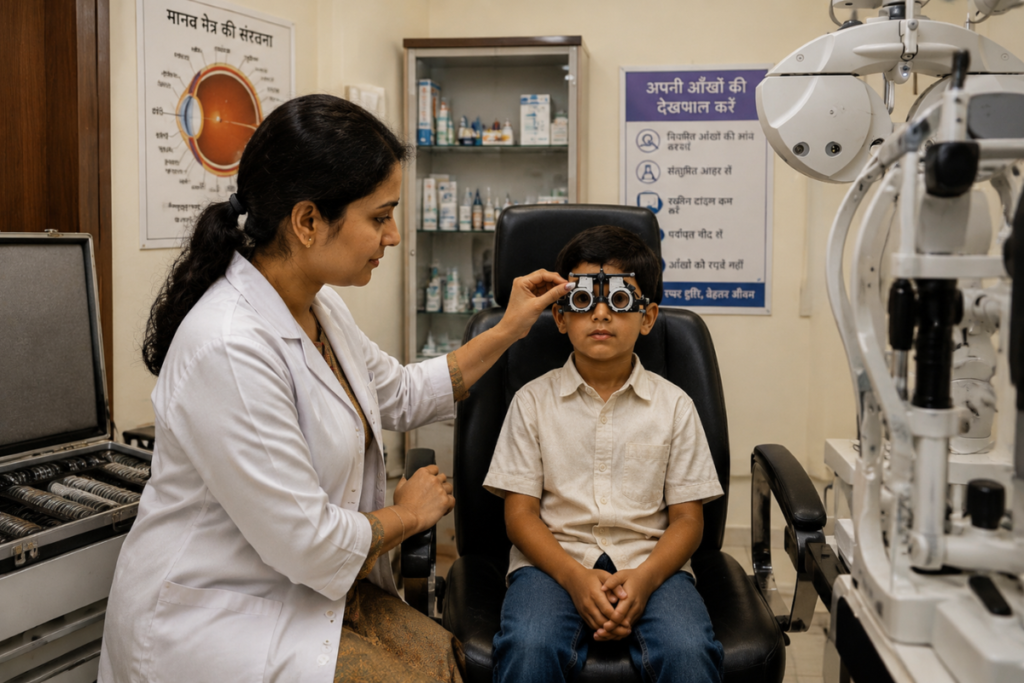
Pediatric Eye Care Beyond Screen Habits
Eye health isn’t just about screens. Comprehensive pediatric eye care also includes:
- Monitoring growth-related vision changes
- Early detection of congenital eye conditions
- Guidance on nutrition for optimal eye development
- Protective strategies during sports and outdoor play
- Education on proper reading and lighting habits
Regular follow-ups with a Pediatric Eye Care in Ambikapur provider allow parents to stay ahead of potential issues.
Common Misconceptions About Kids’ Eye Care
- “Children will outgrow eye strain.”
Some issues resolve naturally, but prolonged strain can accelerate myopia progression or create long-term discomfort. - “Glasses make eyes weaker.”
Corrective lenses support vision and prevent further strain; they don’t harm eye development. - “Screens are harmless if they’re educational.”
Even educational content requires breaks and proper viewing habits to avoid strain.
A discussion with a Best Eye Specialist Doctor in Ambikapur clarifies these myths and ensures accurate, personalized advice.
Choosing the Right Pediatric Eye Specialist in Ambikapur
Selecting the right specialist is crucial. Consider:
- Experience with pediatric cases
- Comprehensive diagnostic tools
- Ability to explain conditions in parent-friendly terms
- Access to cataract, strabismus, or vision therapy solutions if needed
- Trusted reputation and patient testimonials
Facilities like Sankalp Eye Hospital provide a complete pediatric eye care ecosystem with expert guidance, state-of-the-art equipment, and compassionate care.
FAQs About Pediatric Eye Care in Ambikapur
Q1: How often should my child have an eye exam?
Children should have their first comprehensive eye exam at 6 months, another at 3 years, before starting school, and then annually or as recommended by the eye specialist.
Q2: Can prolonged screen time cause permanent vision damage?
Short-term strain is reversible, but consistent overuse without breaks may accelerate nearsightedness. Moderation and proper habits are key.
Q3: At what age can children wear blue light filter glasses?
Most eye specialists recommend them for school-aged children who spend extended time on screens, typically 6 years and older.
Q4: Can pediatric cataracts be detected early?
Yes. Early detection through regular Pediatric Eye Care in Ambikapur check-ups allows timely intervention, sometimes including Cataract Surgery Doctor in Ambikapur if required.
Q5: Are outdoor activities really effective for eye health?
Yes. Exposure to natural light and distance vision strengthens eye development and reduces the risk of myopia progression.
Conclusion
Children’s eyes are precious, and modern lifestyles demand mindful care. Screen time, while beneficial for learning, must be balanced with habits that protect vision. Simple steps—like taking breaks, ensuring proper distance, encouraging outdoor play, and consulting a Pediatric Eye Care in Ambikapur specialist—make a significant difference in long-term eye health.
When selecting a specialist, trust and experience matter. Visiting a Best Eye Specialist Doctor in Ambikapur, or consulting a Cataract Surgery Doctor in Ambikapur if required, ensures expert guidance tailored to your child’s needs.
Institutions like Sankalp Eye Hospital combine advanced diagnostics, professional expertise, and child-friendly care to safeguard vision while fostering comfort and trust.
Taking proactive steps today ensures your child enjoys clear, healthy eyesight tomorrow. Schedule a comprehensive eye check-up and create a safe digital environment for your little ones—because healthy vision is the foundation for confident learning and joyful childhood.