

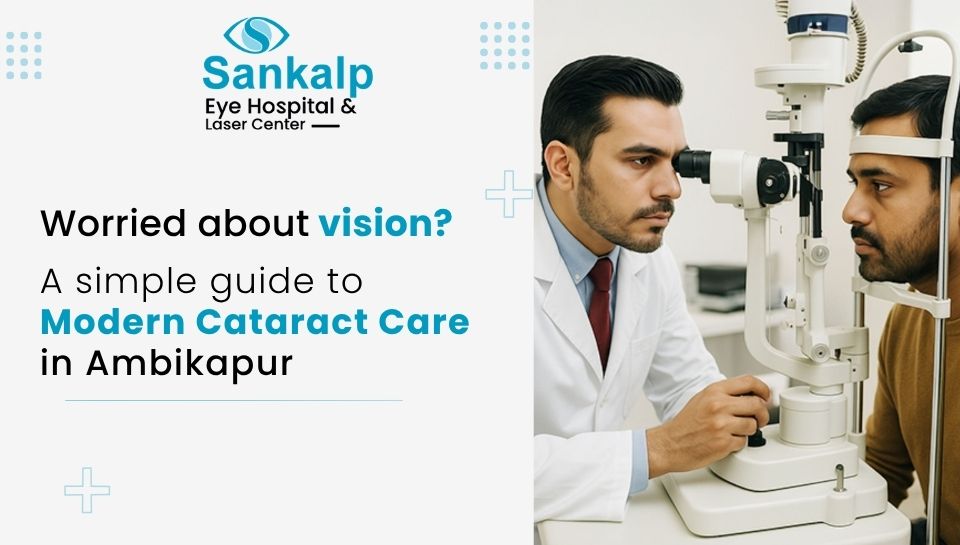
One of the most common complaints people share when they visit an eye clinic is: “It feels like I’m looking through a foggy glass.” For many, this isn’t just a passing issue—it’s the early sign of cataracts.
Cataracts affect millions worldwide, and they’re especially common as we age. In cities like Ambikapur, more people are now turning to cataract surgery in Ambikapur because of the availability of advanced care. The good news? Cataracts can be treated effectively, often restoring clear, sharp vision.
What Exactly Is a Cataract?
Think of your eye’s natural lens as a clear window that helps light focus properly. A cataract is when that lens becomes cloudy. This cloudiness slowly blurs your vision, making even simple tasks—like reading or driving at night—difficult.
I remember meeting an elderly woman who had given up her evening knitting sessions. She thought her failing eyesight was “just old age.” After her cataract surgery, she was back to knitting, this time with renewed joy.
Early Signs You Shouldn’t Ignore
Cataracts don’t develop overnight. They sneak up gradually. Here are a few red flags you should watch for:
- Blurred or cloudy vision
- Colors looking dull or yellowish
- Glare or halos around lights
- Difficulty seeing at night
- Needing stronger glasses more often
If you recognize these symptoms, don’t delay. Scheduling a check-up with the best eye doctor in Ambikapur can help confirm whether it’s cataracts or something else.
Why Modern Cataract Care Feels Reassuring
Gone are the days when cataract surgery meant long hospital stays and weeks of recovery. Today’s technology has made the procedure far safer and faster.
- Phacoemulsification: A technique that uses ultrasound waves to break down and remove the cloudy lens.
- Intraocular Lenses (IOLs): Artificial lenses that replace the cloudy natural one, some designed to reduce dependency on glasses.
- Quick Recovery: Many patients go home the same day and resume daily activities within days.
One patient shared that he could watch television clearly just two days after surgery—a far cry from the lengthy recoveries his parents went through years ago.
Choosing the Right Doctor
For something as delicate as your eyesight, the person you choose matters just as much as the procedure itself. Here’s what to look for:
- Experience: An experienced surgeon brings not just skill but also confidence and calm during the procedure.
- Technology: The right tools can make surgeries smoother and more precise.
- Patient Experiences: Listening to people who’ve already undergone surgery often gives the best insights.
When people talk about the best eye specialist doctor in Ambikapur, they often highlight not only skill but also how the doctor listens, explains, and reassures. That’s where trust is built.
Sankalp Eye Hospital: A Name That Keeps Coming Up
In conversations with patients in Ambikapur, one name that surfaces repeatedly is Sankalp Eye Hospital. Families mention how they felt cared for beyond the surgery itself—through detailed explanations, modern facilities, and a warm approach that makes a stressful process easier.
Hospitals like Sankalp play an important role in helping patients feel safe while receiving advanced treatment. It’s one reason they’re often included when people list the Best Eye Hospitals in Ambikapur.
The Process of Cataract Surgery
If you’re preparing for surgery, here’s what the journey usually looks like:
- Initial Consultation – Vision tests, eye pressure checks, and lens measurements.
- Discussion of Lens Options – Your doctor will suggest the best type of IOL for your lifestyle—whether that’s for distance, reading, or both.
- The Day of Surgery – The procedure usually lasts 15–20 minutes under local anesthesia. It’s painless and quick.
- Aftercare – Most patients see improvement within 24–48 hours. Eye drops are prescribed to prevent infection and aid healing.
I recall one gentleman telling me he was able to walk into the hospital in the morning, have his surgery, and be back home by lunchtime. That’s how seamless modern cataract care has become.
Life After Surgery: What Changes?
Patients often describe their post-surgery experience as “stepping into a brighter world.” Colors appear sharper, text is clearer, and night driving becomes less stressful.
Here are a few everyday changes people notice:
- Watching television or using a phone without squinting
- Reading fine print easily
- Driving with more confidence
- Feeling safer while walking outdoors at night
These are small victories, but together they add up to a huge boost in independence and quality of life.
FAQs About Cataract Care
Q: Is cataract surgery painful?
Not at all. Local anesthesia ensures you feel no pain during the procedure.
Q: How soon can I get back to normal activities?
Most people return to light tasks the very next day, though complete healing takes a few weeks.
Q: Can both eyes be treated at the same time?
Usually, doctors recommend treating one eye at a time, with a short gap in between.
Q: Do I still need glasses after surgery?
It depends on the lens you choose. Many modern IOLs reduce or even eliminate the need for glasses.
Practical Advice Before You Decide
If you’re considering cataract treatment, here’s some practical advice:
- Don’t wait until your vision becomes severely impaired. Early intervention is smoother and less stressful.
- Take time to discuss lens options with your doctor. Think about your lifestyle—reading, driving, or computer work.
- Choose a trusted hospital. Places like Sankalp Eye Hospital combine technology with patient-centered care, making the process more comfortable.
Final Thoughts
Cataracts don’t just blur vision—they blur the joys of daily life. Whether it’s reading, working, or simply enjoying the world in full color, good eyesight is worth protecting.
With modern cataract surgery in Ambikapur, clear vision is no longer a distant dream but an achievable reality. Finding the best eye doctor in Ambikapur or visiting trusted names like Sankalp Eye Hospital ensures you’re in safe hands.
If you’ve been delaying an eye check-up, consider this your gentle nudge. Clearer days—and brighter sights—are waiting just around the corner.